
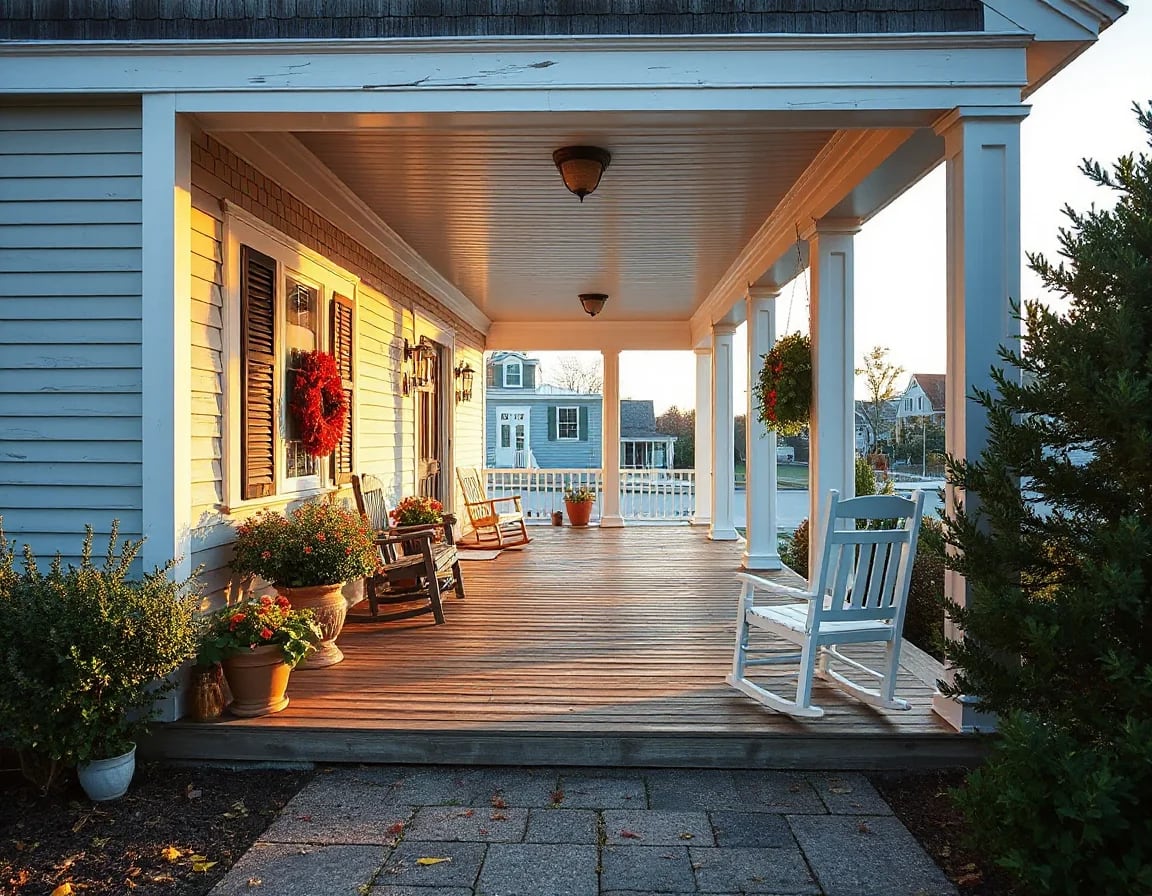
A coastal address can bring remarkable water views, salt air, and direct access to Stonington’s shoreline character—but it also calls for clear-eyed planning. These six questions can help buyers compare insurance, review flood-map details, and understand the maintenance routines that protect a coastal home over time.
Start With the Property, Not the Assumptions
Coastal homes in Stonington can look very different from one block to the next. Elevation, distance from the water, foundation type, roof age, drainage, and prior improvements may all affect ownership costs and insurance options. A home with a water view is not automatically subject to the same flood considerations as another nearby property, and a home outside a mapped flood zone is not automatically free from water-related risk.
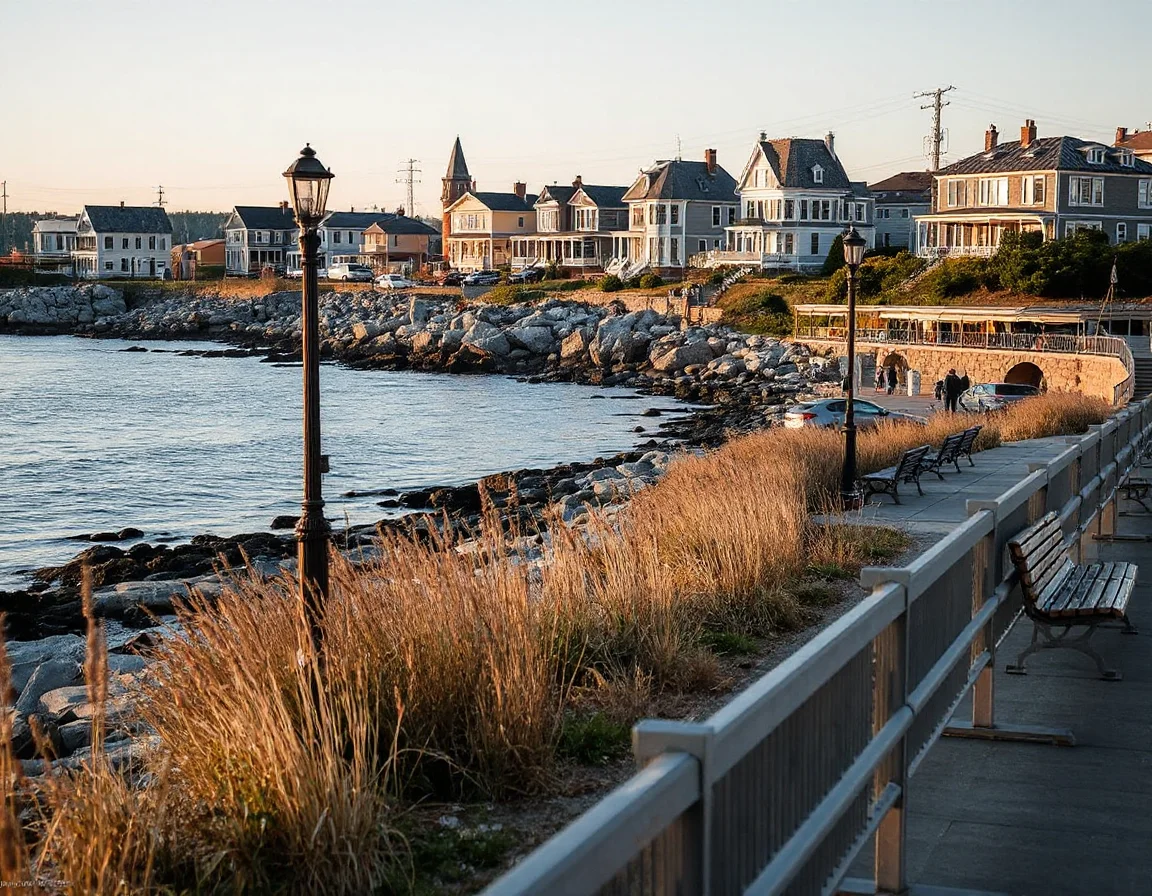
Question 1: What does the current flood map show for this specific parcel? Ask for the property’s FEMA flood-zone designation and review the map rather than relying on a broad neighborhood description. Flood Insurance Rate Maps identify areas associated with different levels of mapped flood hazard, but they are one piece of the due-diligence picture. A lender may require flood insurance for a mortgage on a property in a Special Flood Hazard Area, while buyers without a lending requirement may still decide that coverage is worth considering.
It is also useful to ask whether the structure itself has been elevated, whether mechanical systems are located above anticipated water levels, and whether any flood openings, drainage features, or shoreline protections are present. Documentation for permits, elevation certificates, prior claims, and completed mitigation work can add important context to the map. The goal is not to predict every weather event; it is to understand the home’s existing conditions before finalizing a purchase decision.
A flood-zone label is a starting point, not a complete risk profile. Compare the map, the home’s elevation information, drainage patterns, and insurance quotes together.
Question 2: Is flood insurance separate from the standard homeowners policy? In many cases, yes. Standard homeowners insurance often treats flood damage differently from damage caused by wind-driven rain, a burst pipe, or another covered event. Coverage terms vary by insurer and policy, so buyers should request sample policy language and ask a licensed insurance professional to explain deductibles, exclusions, coverage limits, and available endorsements.
For a coastal property, it can be helpful to request estimates before making an offer or during the inspection period. Insurance pricing can depend on multiple property-specific details, including construction, elevation data, claims history, roof condition, protective features, and the selected deductible. Building coverage, personal-property coverage, temporary living expenses, detached structures, and water-backup coverage may each have different limits or conditions. Getting those answers early makes it easier to set a realistic ownership budget.
Look Closely at Water, Wind, and Systems
Question 3: How does water move across the site during heavy rain and high tide? Walk the exterior with an inspector and pay attention to grading, downspout discharge, driveways, basement access points, retaining walls, and low-lying landscape areas. Look for staining, erosion, standing water, patched masonry, sump-pump equipment, or drainage improvements. These details do not necessarily signal a problem, but they create useful questions about how the property has been maintained.
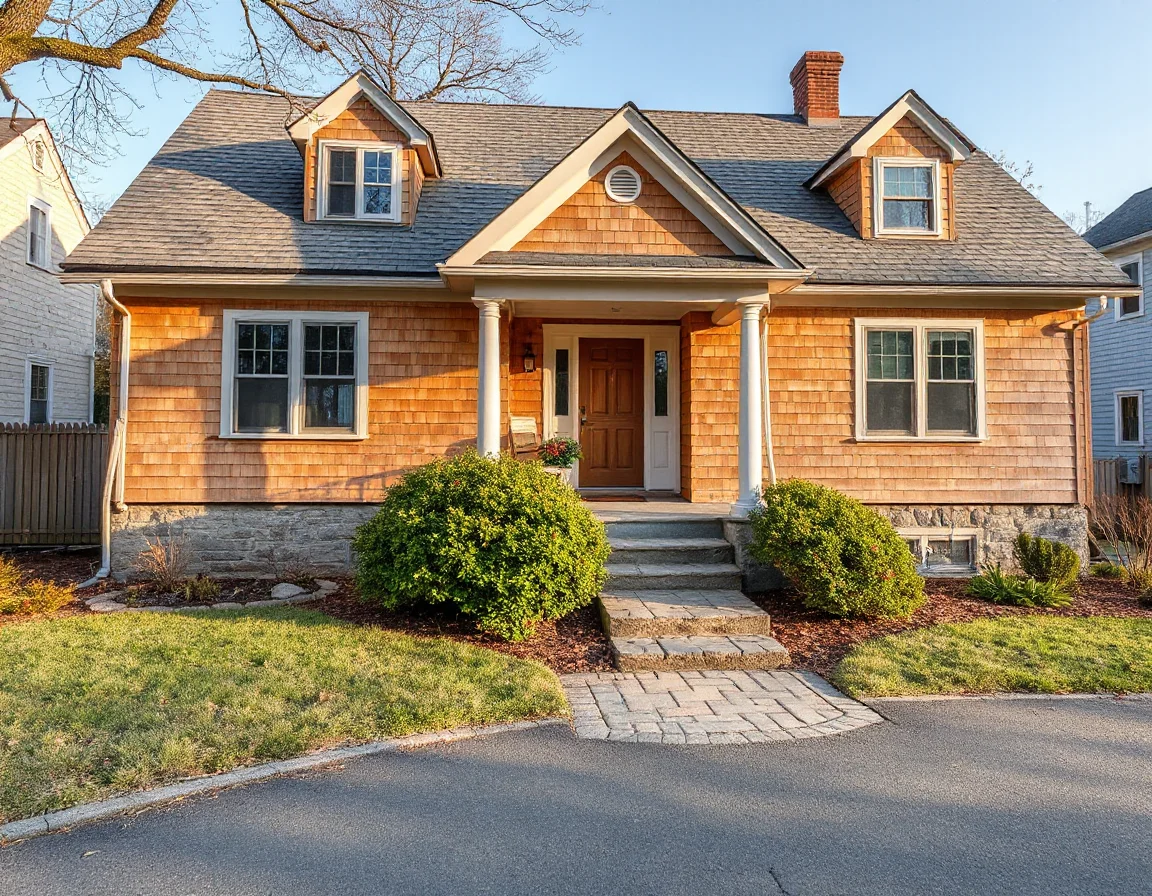
Ask the seller what happens during intense rain, nor’easters, unusually high tides, and prolonged power outages. If the home has a sump pump, confirm its age, discharge location, maintenance history, and backup-power plan. If there is a seawall, bulkhead, dock, or other waterfront structure, determine who is responsible for upkeep and whether permits, inspections, or approvals apply. A local real estate attorney, inspector, insurer, and qualified coastal contractor can each contribute a different perspective.
Question 4: What has salt air changed over time? Salt exposure can accelerate wear on exterior hardware, fasteners, railings, HVAC equipment, decks, windows, roofing components, and painted surfaces. That does not make a shoreline home impractical; it simply makes a regular maintenance calendar more important. Annual exterior reviews can help owners spot peeling paint, corroded metal, loose flashing, aging caulk, clogged gutters, and deck-board deterioration before small issues become costly repairs.
During inspections, ask for close attention to the roof, chimney flashing, siding, trim, window seals, crawlspaces, foundation walls, exterior electrical components, and heating-and-cooling equipment. Request service records when available. If an HVAC condenser or outdoor shower fixture is near salt spray, ask whether it has received routine cleaning and whether its expected service life may differ from equipment farther inland.
Coastal maintenance is most manageable when it becomes seasonal: inspect after winter, clear drainage before heavy-rain periods, and schedule exterior repairs before minor corrosion or moisture intrusion spreads.
Question 5: Which updates matter most for resilience and long-term upkeep? The answer depends on the individual property, but common priorities include a sound roof, properly sealed openings, functional gutters and drainage, securely maintained decks and railings, well-serviced mechanical systems, and a clear plan for water management. Buyers may also evaluate storm shutters, impact-rated components, generator capacity, elevated utilities, or flood-resistant materials where appropriate. Any proposed work should be reviewed with qualified professionals and local permitting requirements in mind.
Keep in mind that an attractive renovation does not replace a careful look at the basics. A new kitchen can be a welcome improvement, but foundation condition, moisture control, roof age, electrical capacity, and mechanical systems often have a more direct impact on the home’s maintenance outlook. A thorough inspection period provides time to organize estimates, review records, and decide which projects belong in the immediate budget versus a longer-term plan.
Use Local Guidance to Build a Practical Plan
Question 6: Who should be part of the due-diligence team? For a coastal purchase, a strong team often includes a local real estate professional, home inspector, insurance agent or broker, lender, real estate attorney, and—when the property warrants it—specialists such as structural engineers, marine contractors, surveyors, septic professionals, or electricians. Their roles are different, and their input can help turn a complicated property file into a more understandable set of decisions.
Request documents in writing whenever possible: flood determinations, elevation certificates, insurance declarations, permits, survey information, utility records, repair invoices, inspection reports, and association documents if applicable. Ask direct questions about recurring maintenance, previous water intrusion, drainage changes, shoreline work, and the age of major systems. A well-organized record set can be valuable not only during a purchase, but throughout ownership and at resale.
Stonington’s coastal setting offers an enduring mix of working-waterfront history, village streets, marinas, nature preserves, and views across Long Island Sound. Buying here is not about finding a home with no maintenance needs; it is about matching the property’s condition and setting with an informed budget and a sensible care plan. With map research, insurance conversations, detailed inspections, and local expertise, buyers can move forward with a clearer view of both the opportunity and the responsibilities that come with coastal ownership.