

Buying in Mystic means weighing more than bedrooms and finishes. The area’s waterfront setting, historic housing stock, village access, town boundaries, and seasonal rhythms can all influence daily ownership costs and the way a property fits your plans. A thoughtful search starts with the home itself, then looks closely at the land, insurance, utilities, and location-specific details behind the listing photos.
Start With the Setting, Not Just the House
Mystic has an unmistakable sense of place: the river, the Bascule Bridge, maritime history, tree-lined residential streets, and an active village center all create a setting that draws buyers from across southeastern Connecticut and beyond. Yet “Mystic” is not a single municipal government. Properties associated with Mystic may be located in Stonington or Groton, and that distinction can affect taxes, public services, school district information, permitting processes, and local regulations.
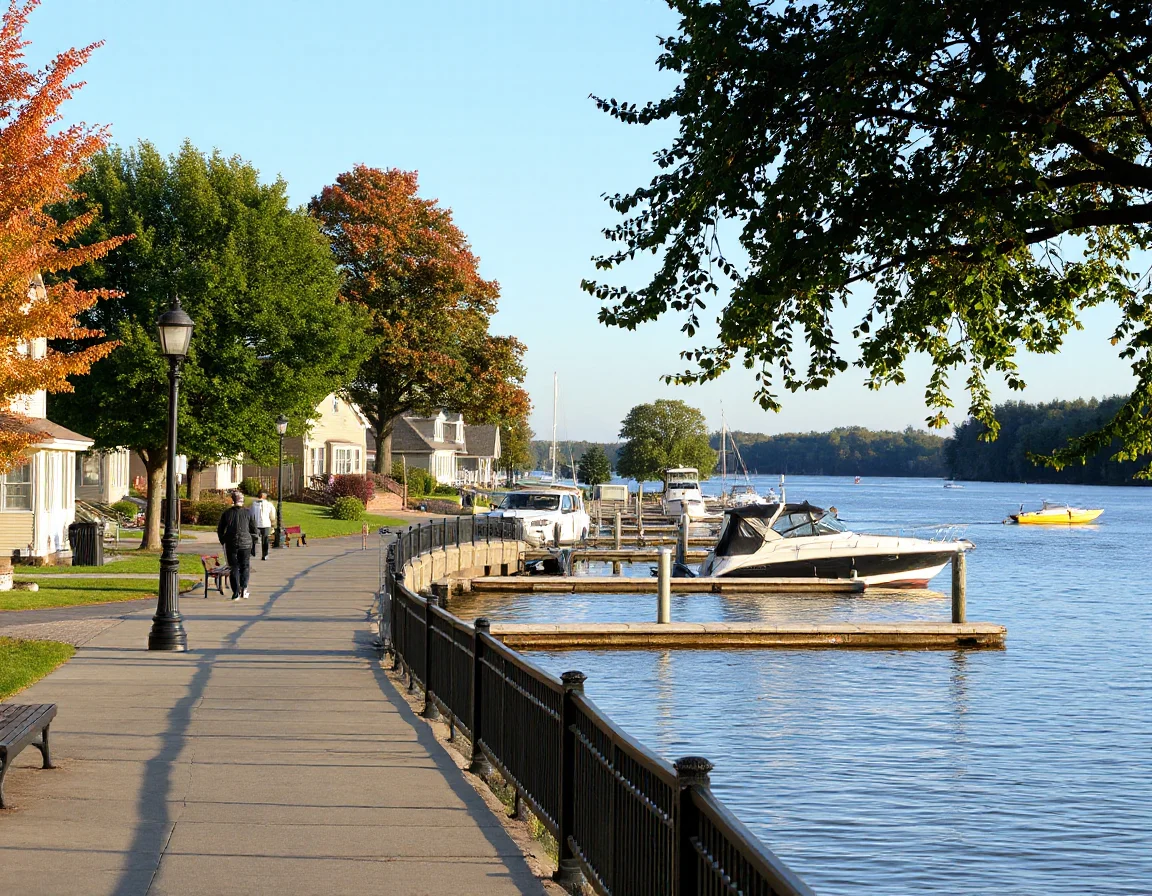
Before making an offer, confirm the property’s exact town, mailing address, parcel boundaries, and tax district. Ask for the most recent property tax information rather than relying solely on a listing estimate. It is also useful to review what services are provided locally, from trash collection and road maintenance to transfer-station access and municipal permitting. These practical details often matter as much as a renovated kitchen once ownership begins.
Location within the broader Mystic area deserves the same close attention. A home near the river or village may offer convenient access to waterfront views, cultural attractions, dining, and community events, while a property farther from the center may provide a different lot size, traffic pattern, or level of privacy. Neither is inherently better; the goal is to understand how the setting supports your preferred routine, commute, recreation, and maintenance expectations.
A Mystic address can fall under different town administrations, so verify the municipality early in your search rather than waiting until the inspection period.
It is also wise to visit at more than one time of day. The drawbridge opening schedule, summer visitor activity, school-year traffic, and weekend events can change travel times on nearby roads. A quick drive-by may not reveal the full rhythm of a location. Taking a morning, afternoon, and weekend look can provide a more realistic picture of access and neighborhood activity.
Understand Waterfront, Flood, and Insurance Questions
Water is one of Mystic’s defining features, and properties near the river, harbors, coves, and Long Island Sound can be especially compelling. It also brings due-diligence questions that should be addressed well before closing. Flood-zone designations, elevation, drainage patterns, seawalls, docks, and shoreline conditions can influence insurance availability, long-term maintenance, renovation plans, and financing requirements.
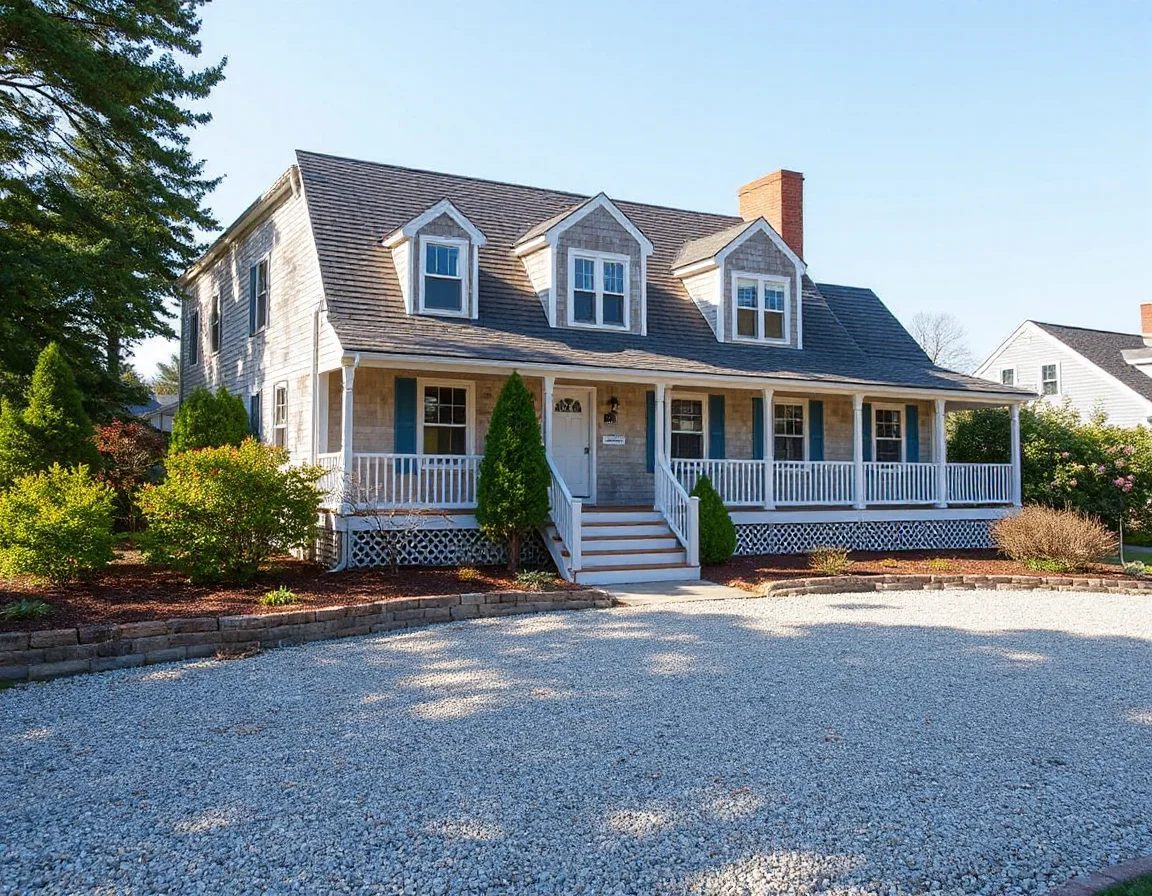
Request the flood disclosure information available for the property and review current FEMA flood maps as part of your research. A flood-zone designation does not by itself define a home’s condition or desirability, but it may affect whether flood insurance is required by a lender. Even when coverage is not required, buyers may want to speak with an insurance professional about available options, deductibles, wind coverage, and the cost of replacing or repairing components exposed to coastal weather.
Pay attention to the site as well as the structure. During a showing, notice how the yard slopes, where downspouts discharge, whether there are visible drainage improvements, and how close living areas are to grade. For homes with docks, bulkheads, retaining walls, or other shoreline features, ask about permits, ownership rights, maintenance history, and any shared responsibilities. A qualified inspector and, when appropriate, a coastal or structural specialist can help clarify conditions that are not obvious during a standard walkthrough.
Insurance quotes and flood information belong on the early checklist: they can affect both monthly carrying costs and the type of loan a buyer chooses.
Coastal weather also makes roof age, siding condition, window performance, and tree maintenance especially relevant. Rather than viewing these as cosmetic line items, consider them part of the property’s resilience and operating budget. Documentation for major improvements, such as roof replacement, drainage work, heating upgrades, or window installation, can offer useful context during inspection and insurance conversations.
Look Closely at Older Homes and Everyday Systems
Mystic’s housing mix includes historic cottages, classic Colonials, waterfront residences, condominiums, newer construction, and properties that have evolved through many decades of ownership. Character can be a major part of the appeal, but older homes reward careful evaluation. Original details may coexist with updated mechanical systems, or a polished renovation may leave less visible work still to be addressed.
During inspections, focus on the fundamentals: foundation condition, electrical service, plumbing materials, heating and cooling equipment, insulation, attic ventilation, roof life, and window operation. If a home was built before modern building standards, ask whether prior renovations were permitted and whether there are records of upgrades. Buyers should also understand that historic-district or local preservation considerations may shape exterior changes in certain locations; confirm applicable rules directly with the relevant town office.
Utilities vary by property. Some homes may have public water and sewer connections, while others use private wells or septic systems. If a property has septic, obtain available records on tank location, system age, pumping history, and capacity, then include an appropriate inspection in the due-diligence process. For private wells, water-quality and yield testing can provide important information. These steps are not dramatic, but they can prevent expensive surprises after closing.
Do not overlook operating costs. Ask for recent utility information when available, and think through seasonal heating, cooling, dehumidification, landscaping, snow removal, and exterior maintenance. A home with generous outdoor space or water views may require a different maintenance plan than a compact village property. Matching the property’s upkeep demands with your available time and budget is one of the most practical ways to buy with confidence.
Make the Offer Process Deliberate
In a market where distinctive homes can attract attention, preparation matters. Get a clear picture of your financing before touring seriously, establish a comfortable budget that includes taxes and insurance, and identify the conditions that are genuinely important to you. A strong offer is not simply the highest number; it is an offer with terms you understand and a due-diligence plan that protects your decision-making.
Inspection contingencies, appraisal considerations, financing timelines, and attorney review are all opportunities to ask questions and gather documentation. Review seller disclosures closely, but also conduct your own investigation with licensed professionals. For properties with unusual land features, shared driveways, easements, waterfront components, or older additions, additional review can be worthwhile. The right questions early can make the path to closing calmer and more predictable.
Drawbridge Realty, LLC brings locally rooted southeastern Connecticut market knowledge to conversations about Mystic, Stonington, Groton, and surrounding communities. Whether your search is centered on a walkable village setting, a home near the water, or a property with room for a particular use, the most useful approach is detailed, location-aware research paired with a clear understanding of your financial and ownership priorities.
Talk with Drawbridge Realty about your Mystic home search
Ultimately, buying a home in Mystic is an opportunity to choose both a property and a setting with deep coastal Connecticut character. Take time to compare locations, verify town-specific details, evaluate systems carefully, and account for long-term costs. With a measured process, you can move from admiring a home’s first impression to understanding the practical details that make it a sound place to call home.