

Before professional photos, showings, and offers, focus on the details that make a New London home feel maintained from the first step inside. These eight practical pre-listing fixes can sharpen your presentation, reduce buyer questions, and help your pricing strategy rest on a stronger foundation.
Start With the Details That Shape a First Impression
Preparing to sell is not about turning every room into a renovation project. It is about helping buyers see the home clearly: its layout, condition, light, storage, and the care that has gone into it. In New London, where buyers may compare historic residences, waterfront-adjacent properties, condos, and newer homes in the same search, small maintenance issues can stand out quickly in listing photos and during a showing.

1. Refresh the entry sequence. Buyers often form an opinion before the front door opens. Clear the path, pull weeds, trim back branches that cover windows or walkways, and remove items that make the entrance feel crowded. A freshly painted front door is not always necessary, but peeling paint, a loose handle, a worn welcome mat, or a porch light that does not work are easy fixes with an outsized visual return. Make sure house numbers are readable and the doorbell operates.
2. Address obvious exterior maintenance. Walk slowly around the property as though you are seeing it for the first time. Look for loose shutters, missing caulk, damaged screens, clogged gutters, cracked steps, and fading trim. Southeastern Connecticut weather can be hard on exterior materials, especially near the coast, so buyers may pay particular attention to drainage, siding condition, roof age, and signs of deferred upkeep. You do not need to promise a perfect exterior; you do want the home to communicate consistent maintenance.
3. Make lighting work in every room. Replace burned-out bulbs, match bulb temperature within each space, and clean dusty fixtures. Open curtains and blinds before photography and showings, while still making sure windows are clean enough to let daylight do its job. Dark corners can make a room appear smaller or less useful than it really is. A lamp, an updated bulb, or a simple adjustment to furniture placement can reveal the dimensions and flow buyers are trying to evaluate.
A buyer may overlook a dated finish, but a sticky door, dark hallway, or visible repair question can make the entire home feel less cared for. Fix the small functional items before spending on cosmetic extras.
Make the Interior Feel Easy to Evaluate
Once the exterior has set the tone, the goal inside is clarity. Buyers are usually picturing furniture placement, storage needs, maintenance tasks, and how the rooms connect. The more easily they can understand those basics, the more attention they can give to the home’s strengths.
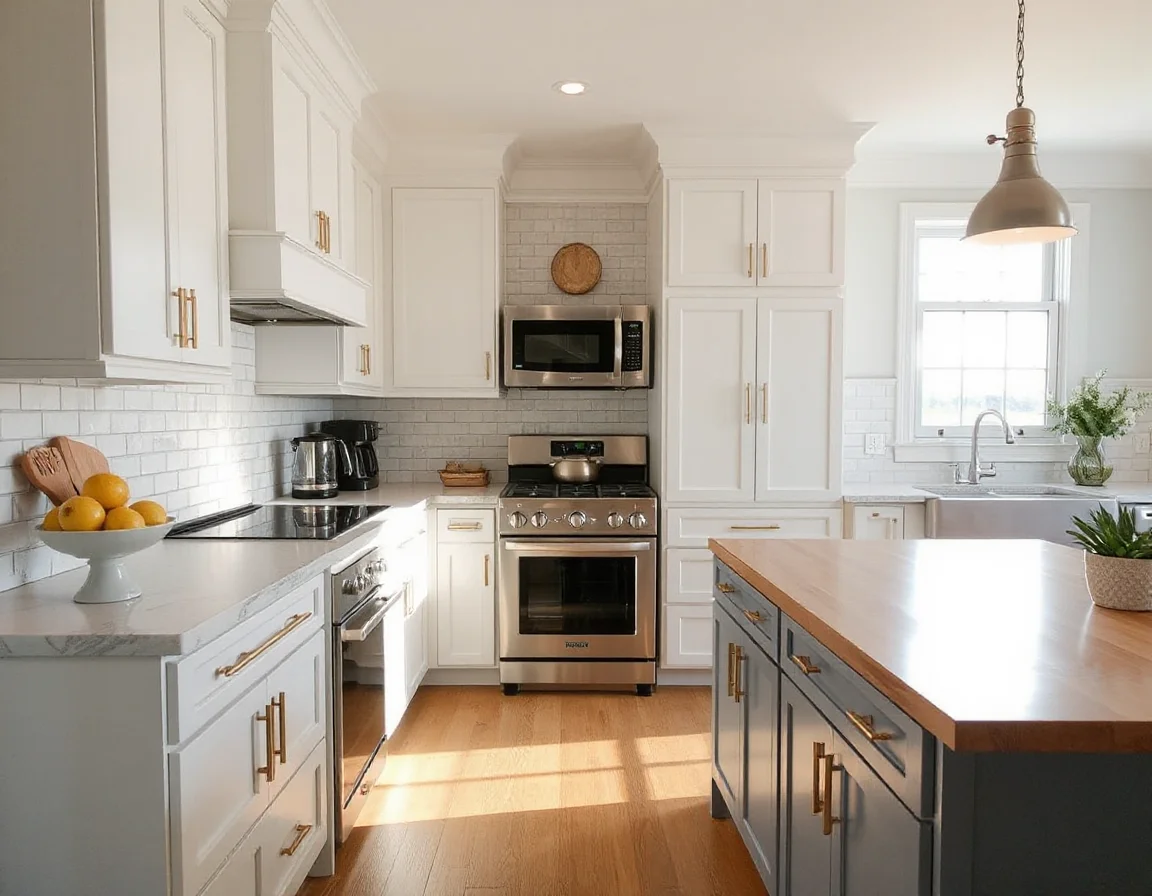
4. Repair doors, drawers, and hardware. This is one of the most practical pre-listing tasks because showings are hands-on. Tighten loose cabinet pulls, adjust doors that rub or fail to latch, replace a broken outlet cover, and lubricate squeaky hinges. Check closet doors, windows, faucets, and drawers as well. These details do not require a major budget, but they help buyers move through the house without being distracted by a list of minor problems.
5. Simplify kitchens and baths. These rooms carry a lot of weight because buyers look closely at surfaces, storage, fixtures, and cleanliness. Clear counters of most small appliances and personal items, remove worn bath mats, and deep-clean grout lines, exhaust fans, sinks, and appliance fronts. If cabinet hardware is visibly mismatched or damaged, replacing it can create a more cohesive look. Reserve larger upgrades, such as new counters or a full bath remodel, for situations where local pricing and comparable listings support the investment.
6. Patch, touch up, and neutralize visual noise. Small wall holes, scuffed baseboards, stained ceilings, and chipped paint can make a room feel unfinished. Patch and paint where needed, particularly in highly visible rooms and along entry routes. If a bold color is in good condition, it may be perfectly workable; the priority is a clean, intentional appearance rather than a generic one. Remove excess furniture, oversized décor, and crowded shelving so room proportions and built-in storage are easier to see.
It also helps to think beyond what is visible in a single photograph. Buyers will open the pantry, look under sinks, check the utility area, and notice whether closets are packed wall to wall. A measured decluttering pass does not mean stripping the home of personality. It means giving each area enough breathing room to show its capacity and function.
Prepare for the Questions Buyers Will Ask
The strongest pre-listing plan combines visual readiness with straightforward information. A clean room can create interest, but clear records and repaired basics help maintain momentum once buyers begin asking questions. This is especially useful for properties with older systems, distinctive construction, or features that may require context.
7. Service the systems that are due for attention. If the heating or cooling system is overdue for routine service, schedule it before listing when practical. Test smoke and carbon monoxide alarms, replace HVAC filters, and make sure the water heater area is accessible and orderly. Address active leaks, slow drains, or electrical concerns with qualified professionals. Keep invoices, permits, warranties, and service records together so they are available if a buyer asks about recent work or ongoing maintenance.
8. Create a realistic plan for pet, odor, and storage management. Odor is memorable, and it can be difficult for an owner to notice after living in a home for years. Avoid relying on heavy fragrances to cover an issue. Instead, clean soft surfaces, air out rooms, empty trash regularly, and address the source of any persistent odor. During showings, keep pet supplies discreetly stored and make entry, mudroom, laundry, and basement areas part of the regular cleaning routine. Those practical zones often tell buyers as much about upkeep as a staged living room.
Before going live, take one final walk-through at the time of day when showings are likely. Listen for a noisy fan, check the temperature, look for exterior clutter through windows, and make sure every bulb is on. Notice the route from curb to entry, the first view from the front door, and the areas where a buyer may pause. A careful final review can reveal the last few tasks that do not appear on a standard checklist.
Pre-listing repairs are most effective when they support the home’s actual price range and condition. Prioritize health, safety, function, cleanliness, and first impressions before considering larger cosmetic projects.
Use Your Budget Where It Supports the Sale
Not every improvement has the same return, and not every home needs the same preparation. A well-kept property may only need cleaning, touch-up paint, and thoughtful staging. Another may benefit from addressing a visible maintenance backlog before it reaches the market. The right choices depend on the home’s condition, the competing inventory, recent comparable sales, and the timing of your move.
Drawbridge Realty, LLC brings locally rooted southeastern Connecticut market knowledge to the process, helping sellers distinguish between a useful pre-listing fix and an expense that may not improve the outcome. With a clear plan, the preparation period becomes manageable: handle the essentials first, document completed work, present the home honestly, and let its best features come forward. The result is a listing that feels more polished, more trustworthy, and easier for buyers to consider with confidence.